Helping Your Child Improve Their Focus (Simple Strategies That Really Work)
Hey Moms & Dads! 💛
So many parents tell me the same thing:
“My child can focus… just not when it’s time to do schoolwork.”
And you know what? That’s completely normal. Focus isn’t automatic — it’s a skill. And like any skill, it can be taught, strengthened, and practiced with intention.
Let’s break down a few real-life examples parents often see, and what they really mean.
1. “My child can focus on games for hours… but not on lessons.”
Some parents notice their child can build Legos for 45 minutes straight but can’t focus on a worksheet for 5.
This doesn’t mean the child is “unfocused.” It means they focus best when something has structure, clear steps, and predictable outcomes.
Understanding how your child focuses gives you clues for how to support them during learning time.
2. “My child loses focus after just a few minutes.”
Many children have short focus stamina and that’s okay.
Parents often see their child start strong, then slowly slide out of their chair, play with pencils, or get distracted by noise.
Building focus stamina is like building muscle: start with short bursts and increase gradually. Even 5–7 minutes of focused work is a win.
3. “My child gets overwhelmed unless they know exactly what to do.”
Some children struggle because they don’t have a routine they feel in control of.
A parent might ask their child to “start your homework,” but the child doesn’t know where to begin — so their focus collapses.
When kids have a simple routine they can do independently (open notebook → write date → start task), their brains relax… and their focus improves.
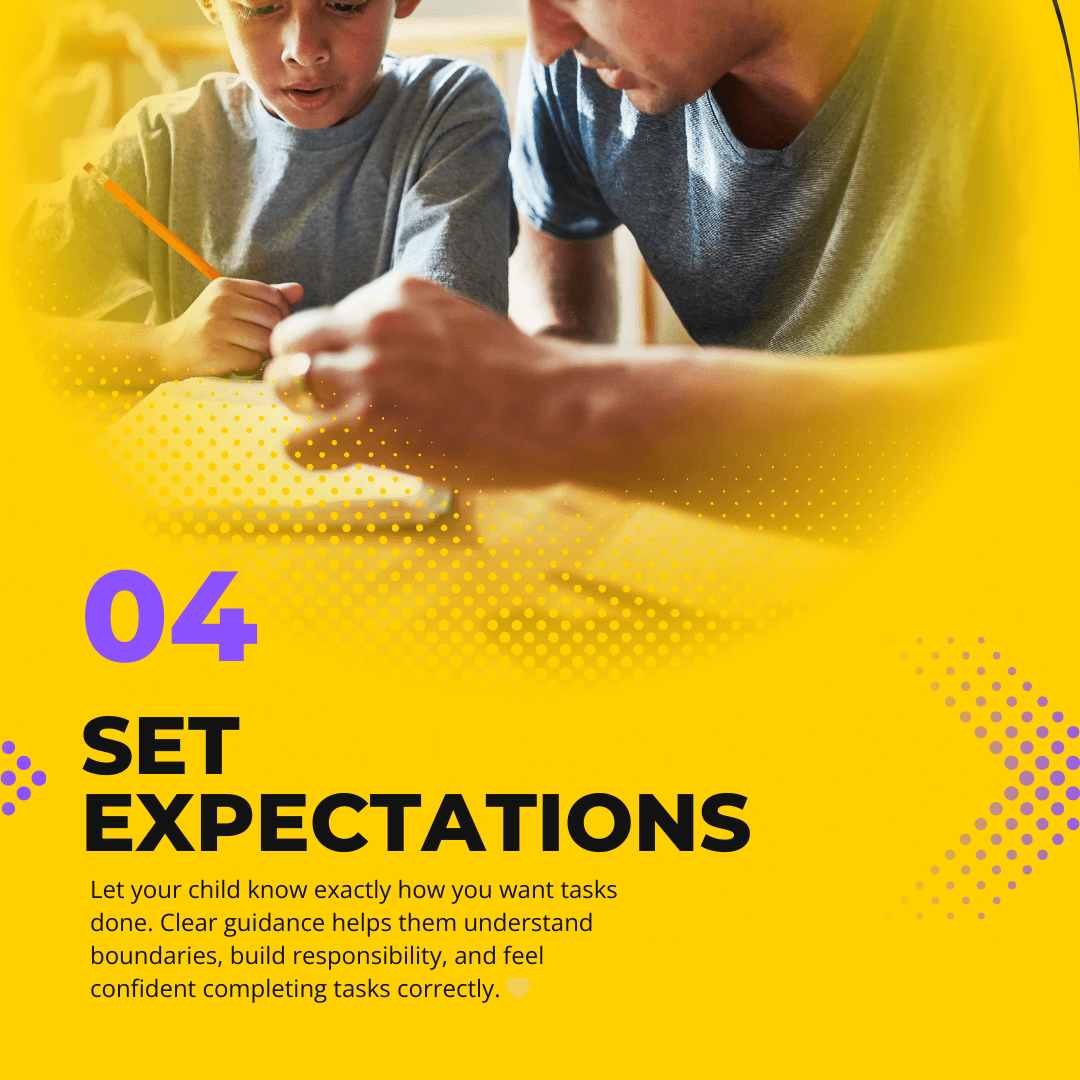
4. “My child shuts down when they don’t know the expectations.”
Imagine a child who rushes through everything, misses steps, or keeps asking, “Am I done yet?”
Parents who set clear expectations often see a big difference:
“Finish these 3 problems, then we’ll take a break.”
“When you’re done, check your work for neatness and spelling.”
Consistency helps kids stay on track without feeling overwhelmed.
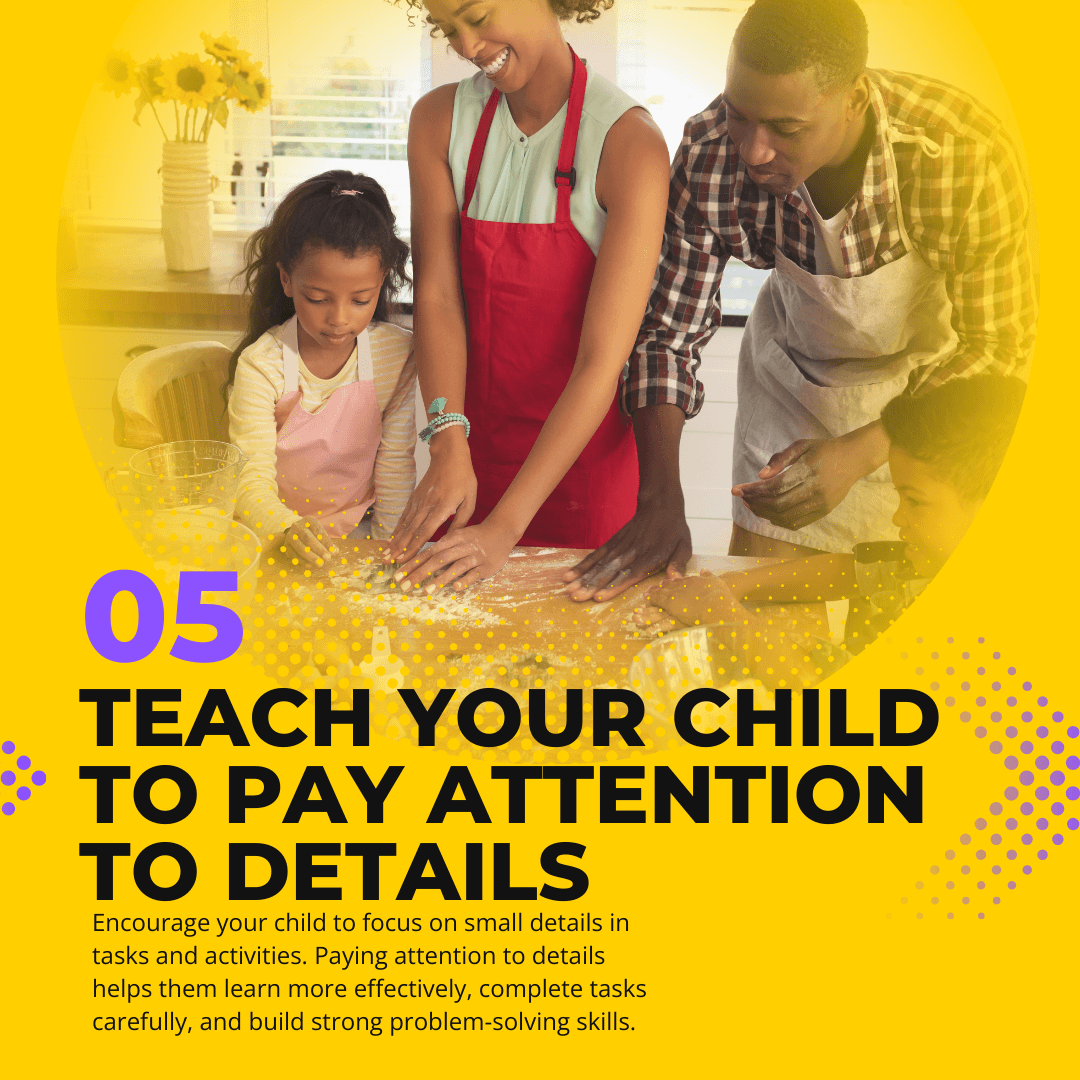
5. “My child skips details or misses instructions.”
Some children hear only the first part of an instruction or glance quickly at a task and jump in.
Parents might see sloppy writing, missed steps, or incomplete answers not because they don’t know the work, but because detail-focus takes practice.
The more we slow down with them and model checking their work, the better they become.
6. “My child can’t stay seated long enough to finish.”
Parents often describe kids who wiggle, shift, stand up, and drift away from the workspace.
This isn’t misbehavior, it’s a sign they need help strengthening their seated stamina.
Short practice sessions, clear expectations, and praise for staying seated make a huge difference.
🌈 You’re Doing Better Than You Think
Every child has strengths. Every child has areas to grow. And every parent deserves tools that actually work — not guilt, frustration, or guesswork.
You’re not alone in this journey.
With love,
Sharita





Hey y'all! 🙌🏿
Hi, I'm Sharita Morgan!
With 20 years of experience as a mental health specialist, special education teacher, and mom, I've learned that there is a direct link between behavior challenges in the classroom and illiteracy.
That's why I combine behavior and literacy coaching to help kids make better choices, take responsibility, and improve academically.


JOIN MY MAILING LIST

The only coaching program for kids that offers you Behavior, Math, and Literacy coaching to get you real results in the classroom and in life! Also offering classroom management services.
+1 908-313-1973
Follow us

Newsletter
Subscribe now to get daily updates.